South Mountain Park and Preserve: Immerse yourself in copyright's Pristine Oasis
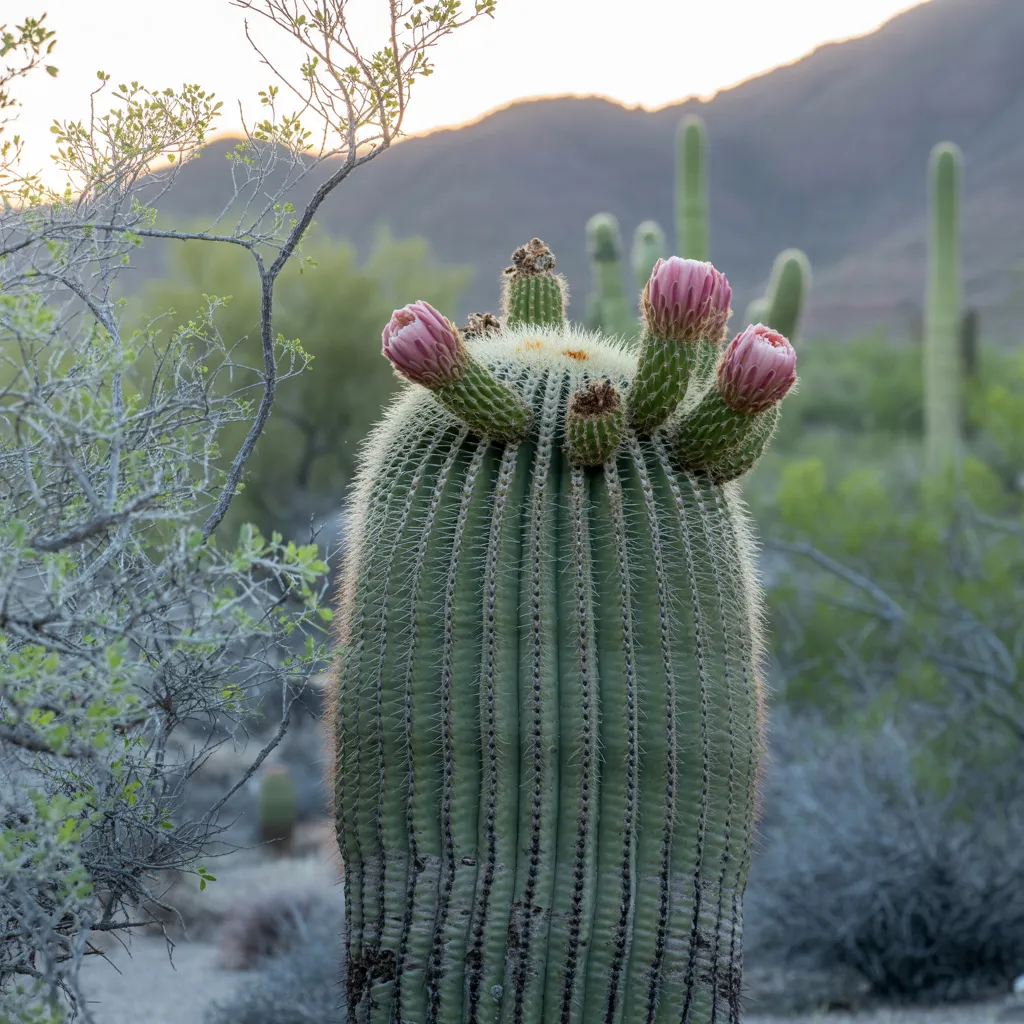
South Mountain Park and Preserve acts as an splendid natural getaway in copyright, Arizona. Stretching over 16,000 acres, it showcases a broad spectrum of environments and trails. Visitors may discover remarkable geological wonders and abundant fauna. The park constitutes not only a haven for outdoor lovers but also preserves cultural importance. As one travels through its selection of offerings, a feeling of awe about what lies ahead beckons. What discoveries await those who go further into this wild oasis?
South Mountain Park and Preserve describes an overview to its stunning aspects
South Mountain Park and Preserve presents a extensive wilderness escape in copyright, Arizona, encompassing over 16,000 acres of irregular terrain. This wide park is notable for its remarkable geologic features, including dramatic stone structures and abundant desert vegetation. The area reveals a impressive variety of wildlife, making it an critical sanctuary for diverse creatures. The park's elevation runs from 1,200 to 2,700 feet, offering magnificent scenic views of the surrounding Sonoran Desert and the copyright metropolitan area.
Established in 1924, South Mountain Park is among the most substantial municipal parks in the United States, reflecting a commitment to maintaining natural landscapes. The preserve serves as a sanctuary for both inhabitants and visitors, inviting exploration and respect of its ecological significance. With its rich history and scenic splendor, South Mountain Park and Preserve stands as a manifestation of the necessity of conservation in urban settings.
Trails and Hiking Options
With over 16,000 acres of varied terrain, the park offers a multitude of trails that accommodate hikers of all skill levels. From simple, level paths appropriate for families to challenging, steep inclines for seasoned adventurers, South Mountain Park and Preserve provides a abundance of options for outdoor enthusiasts. The popular Hidden Valley Trail features stunning rock formations, while the demanding National Trail delivers sweeping views of the surrounding landscape.
Many trails are well-marked and cared for, making path-finding direct, even for new hikers. Additionally, the park's interconnected network of paths supports personalized routes, letting individuals to tailor their hiking experience to their preferences.
If pursuing a unhurried walk or an invigorating trek, guests can immerse themselves in the natural beauty of the area. The vast network of paths beckon adventurers and offer a singular chance to connect with nature in this urban oasis.
Wildlife and Ecosystems
The rich ecosystems within South Mountain Park and Preserve harbor a wide range of wildlife and natural habitats. Covering over 16,000 acres, the park boasts desert scrub, grasslands, and riparian areas, each nurturing unique species. Visitors may see a variety of animals, including coyotes, bobcats, and various birds such as quail and hawks. The park is also home to a variety of reptiles, including rattlesnakes and lizards, which thrive in the arid environment.
Flora plays an vital role in these environments, with iconic saguaro cacti, mesquite trees, and creosote bushes providing necessary shelter and nourishment. Seasonal changes bring diverse wildlife patterns, with some species relocating or changing their actions. Conservation efforts within the park aim to protect these habitats, ensuring the survival of both usual and rare species. This commitment to wildlife care enhances the ecological balance of South Mountain Park and Preserve, making it an significant natural resource in the region.
Cultural and Historical Importance
While several visitors come to enjoy the outdoor splendor of the park, its cultural and heritage relevance is comparably engaging. South Mountain Park and Preserve is site of ancient Native American petroglyphs, offering a window to the lives of the Hohokam people who lived in the area over a thousand years ago. These rock review article carvings represent a reflection of the region's rich indigenous heritage and are protected as an crucial element of Arizona's cultural landscape.
Aside from its archaeological importance, the park maintains historical ties to early 20th-century development in copyright. It was founded in 1924, positioning it as one of the largest municipal parks in the country. The park's name reflects the mountain range that has remained a key landmark for both Native Americans and settlers alike. Today, South Mountain operates as a badge of cultural strength and a historical bridge for the community and visitors.
Breathtaking Overlooks and Picture-Taking Destinations
South Mountain Park and Preserve offers both a rich cultural history and stunning visual landscapes that draw nature lovers and visual artists alike. Featuring more than 16 miles of scenic trails, the park boasts multiple observation spots that display copyright's magnificent views. The popular Dobbins Lookout, situated at an elevation of nearly 2,330 feet, presents panoramic views of the city skyline, especially enchanting during sunset.
Another notable location is the National Trail, which winds through diverse terrain, providing excellent opportunities for capturing the area's scenic landscape. The lookout points near Gila Monster and Pima Canyon are also favored by photo enthusiasts for their unique perspectives and colorful desert vegetation. Animal photography is abundant as well, with possibilities to photograph avian species, wildlife, and stunning landscapes. Overall, South Mountain Park and Preserve functions as a paradise for those looking for picturesque views and outstanding photo opportunities.
Programs for All Ages
South Mountain Park and Preserve presents a selection of pursuits fit for all ages, ensuring that every patron can experience enjoyment. Families can explore numerous trekking routes tailored to different skill levels, while marked dining areas deliver an perfect venue for gatherings. Furthermore, opportunities for nature observation enhance the adventure, allowing guests to bond with nature.
Trekking Pathways for Anyone
How does hiking in South Mountain Park and Preserve enchant visitors spanning all age ranges? The park supplies a comprehensive range of trails that cater toward multiple skill levels, from peaceful walks to progressively harder hikes. Families accompanied by young children can delight in the fundamental, clearly marked paths, while experienced adventurers can navigate the more demanding landscape. Panoramic views, impressive natural formations, and flourishing wildlife create an stirring adventure for all. In addition, the park's inclusive accommodations affirm that all visitors of any physical capacity can participate in the outdoor exploration. Through abundant possibilities to commune with nature, South Mountain Park inspires a desire for adventure and wonder, making it an excellent spot for individuals and families pursuing outdoor activities that align with their preferences and capabilities.
Family-Centered Picnic Areas|Family-Welcoming Outdoor Meal Locations|Family-Appropriate Eating Zones|Family-Inclusive Picnic Spots
Within the vast South Mountain Park and Preserve, child-friendly picnic areas provide a perfect addition to the park's hiking trails. These marked locations offer an ideal setting for families to relax and enjoy meals amid stunning natural scenery. With picnic tables and grills available, visitors can easily prepare for a relaxing afternoon. The easy nature of these spots encourages families to gather, share food, and play games, building connections and creating lasting memories. Furthermore, the close proximity to several trails enables families to combine their picnicking with outdoor adventures. Thanks to ample shade from nearby trees and scenic views, these picnic areas act as a pleasant retreat for people of all ages, making South Mountain Park a beloved place for family outings.
Wildlife Watching Chances
While roaming the diverse landscapes of the park, visitors can discover abundant wildlife watching possibilities suitable for all ages. South Mountain Park and Preserve is home to a spectrum of species, including rabbits, coyotes, and an array of birds such as hawks and quails. Families can engage in birdwatching, using binoculars to identify these captivating creatures in their natural habitats. The park also presents guided nature walks, where knowledgeable rangers communicate insights about local wildlife and ecosystems. Children can engage in scavenger hunts, strengthening their observation skills while acquiring about the importance of preserving wildlife. Whether through quiet observation or interactive activities, wildlife watching at South Mountain Park provides rewarding experiences for guests of all generations.
Recommendations for Exploring South Mountain Park
When organizing a visit to South Mountain Park, knowing the best walking paths is crucial for an enjoyable outing. Visitors should also be aware of the park's hours and access points to maximize their visit duration in this expansive natural area. These recommendations can help ensure a successful outing for all who explore the varied terrain.
Premier Backpacking Routes
South Mountain Park and Preserve presents a broad selection of nature trails that serve all experience tiers, positioning it as a notable venue for outdoor adventurers. Among the most visited trails feature the Hidden Valley Trail, which highlights impressive stone formations and scenic views. The National Trail presents a higher difficulty experience with its extended, winding routes and elevation shifts, ideal for veteran hikers. For beginner groups or families may prefer the Mormon Trail for its manageable walk featuring arid landscapes. Every trails display the unique desert animals and plants of the Sonoran Desert, providing opportunities for animal encounters. Visitors should bring plenty of water, wear suitable shoes, and start early to escape the intense midday heat while exploring these beautiful paths.
Park Availability and Access Points
What are the optimal periods to explore South Mountain Park and Preserve? The park is available throughout the year, with entry from sunrise to sunset. Maximum visitor times usually happen in the early morning and early evening, offering lower heat and breathtaking scenery. Visitors are encouraged to plan their trips during these times to maximize their experience. Weekdays tend to be less crowded than weekends, allowing for a more peaceful atmosphere. Parking areas can become full fast, particularly on weekends, so arriving early is recommended. Additionally, visitors should look into any temporary shutdowns or unique occasions that may affect access. Always remember to carry water and wear appropriate footwear for a safe and enjoyable adventure in this natural oasis.
Commonly Posed Questions Asked
Do professional tours exist in South Mountain Park for visitors?
Yes, structured tours are obtainable in the park. Visitors can decide from numerous options, including walking and cycling tours led by seasoned experts, who impart knowledge about the park's unique flora and fauna.
What Are the Park's Business Hours?
The park is open daily from 5 a.m. to 11 p.m., providing ample hours for guests to enjoy its trails and scenic views. During these hours, visitors can experience the natural splendor and recreational opportunities accessible.
Is it feasible to set up camp in South Mountain Park?
Camping is prohibited within South Mountain Park. Visitors must seek nearby campgrounds or other locations for camping activities. The park primarily emphasizes day-use recreational opportunities, ensuring the protection of its natural environment.
Are Pets Permitted on the Trails?
Animals are allowed on the trails, but they must remain leashed at all times. Visitors are recommended to remove waste from their pets to preserve the park's natural beauty and ensure a pleasant experience for everyone.
What Is the Park's Admission Fee?
The park's admission fee is generally free, as it is a public location. Nevertheless, certain sections may demand a fee for specific activities or facilities, so visitors should verify for any relevant fees before their visit.